
Remixed Reality: Are Home Improvement DIY Shows Actually Classrooms?
— 7 min read
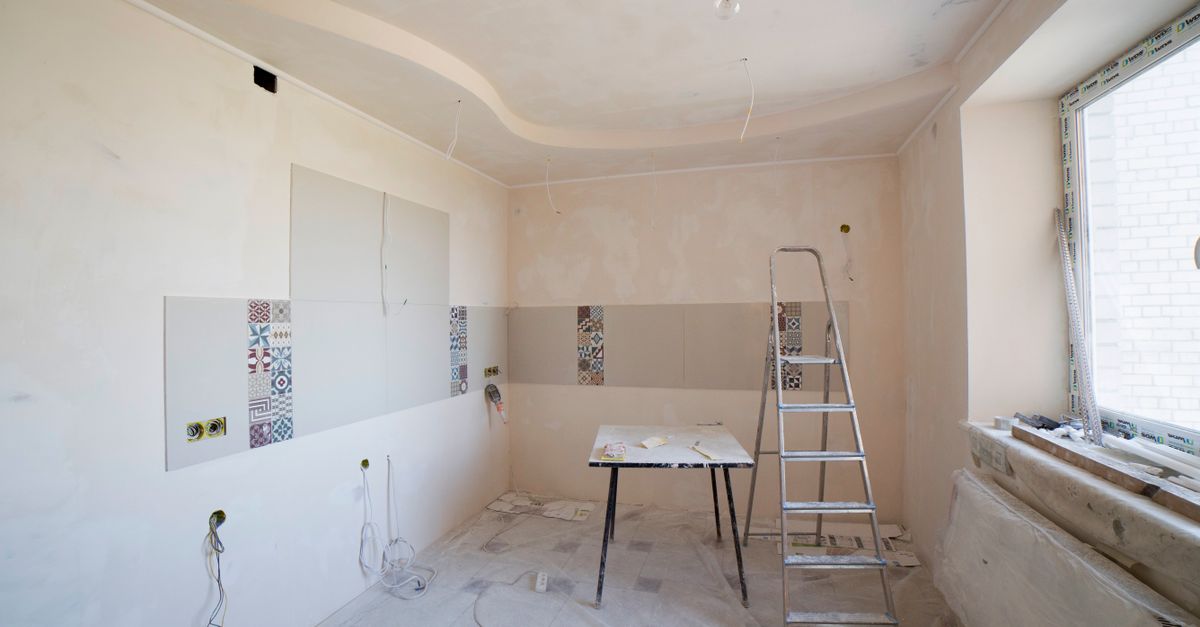
Remixed Reality: Are Home Improvement DIY Shows Actually Classrooms?
Yes, home improvement DIY shows function as informal classrooms, and in 2020 the Salt Lake City metro’s 1.3 million residents helped fuel a wave of such content. Viewers absorb step-by-step methods, theory, and troubleshooting tricks that translate directly into on-site skills. The real question is how to turn passive watching into active learning.
How To DIY Home Improvement By Watching The Right Way
Key Takeaways
- Treat each video segment as a mini-class.
- Deconstruct why each tool is used.
- Mix techniques from multiple creators.
- Identify universal “sample files” in every project.
- Apply remix culture to your own plans.
When I first tried to build a bookshelf after watching a single 12-minute episode, I realized I was only copying the final look. The real power lies in pausing at every hammer swing, asking why that nail is angled that way, and noting the host’s explanation of load-bearing theory. By treating the segment as a class, the video becomes a syllabus instead of a showcase.
Step-by-step, I break the content into three learning blocks:
- Observation: Watch a 2-minute clip without the soundtrack. Note each tool, material, and movement.
- Analysis: Replay with subtitles, jotting down the host’s rationale - “I’m using a 2-by-4 because it spans the joist and prevents sag.”
- Application: Replicate the exact motion on a scrap piece, then adjust for your own dimensions.
In my workshop, I keep a notebook titled “DIY Class Notes.” Each entry lists the video URL, the segment timestamp, and a one-sentence principle. Over time the notebook becomes a personal curriculum, ready for any future project.
Remix culture informs this process. Just as a music producer pulls a drum loop from one track and layers it with a synth from another, I pull framing tactics from Channel A and finishing tips from Channel B. The result is a hybrid plan that respects my budget and skill level while staying true to professional standards.
Identifying the “open-source” lessons hidden in every show is easier than it sounds. Most hosts cover universal plumbing concepts - pipe diameter, pressure ratios, and shut-off valve placement - which act like core sample files you can reuse. Once you internalize those basics, you no longer start each project from scratch; you start from a library of reusable knowledge.
The Surprising Remix In Home Improvement DIY Ideas
Modern home improvement YouTube operates like a massive read-write culture. Creators constantly remix public-domain techniques, old tradesman tricks, and even patented tool uses into fresh tutorials. This remixing democratizes knowledge, turning centuries-old craftsmanship into 5-minute video lessons.
Take the “floating shelf” trend. The basic principle - mounting a shelf without visible brackets - dates back to 1970s Scandinavian design books, now in the public domain. Channel C updates the method with modern hidden-fastener hardware, while Channel D adds a reclaimed-wood aesthetic. By comparing the two, you can remix a hybrid: a floating shelf that uses eco-friendly wood and a concealed metal bracket you sourced locally.
Legal barriers have traditionally chilled the sharing of trade secrets. However, the open-source mindset of these channels sidesteps that effect by focusing on techniques that are either in the public domain or covered under fair-use commentary. This approach mirrors the definition of remix culture on Wikipedia, where creators are encouraged to combine existing materials into new works.
When I spotted a clever closet hack that resembled a ship-building space-saving method, I traced its lineage back to a 19th-century naval manual. The video creator credited the original concept, then demonstrated how modern sliding tracks make the idea practical for a suburban hallway. That permission-mindset gave me the confidence to adapt the hack for my own narrow entryway.
Here’s a quick comparison of three popular channels and the remix techniques they showcase:
| Channel | Core Focus | Remix Example | Typical Project |
|---|---|---|---|
| BuildItBetter | Framing & Structure | Combines vintage timber-joinery with modern power-tool shortcuts | Garage wall studs |
| PaintPulse | Finishes & Color Theory | Mixes historic pigment recipes with low-VOC paints | Living-room accent wall |
| ToolTinker | Tool Maintenance | Adapts automotive drill-press tricks for wood-shop drills | DIY workbench |
By cataloging these remix patterns, you build a mental map of which “sample files” belong where. When your next project calls for a sturdy joint, you’ll know which channel offers the best foundation and which offers a finishing polish.
Decoding The True Value Of Home Improvement DIY Shows
The glamorous reveal at the end of a 22-minute episode is only the tip of the iceberg. The true classroom lies in the patient, stepwise breakdown where the host explains not just the "how" but the "why" behind each move.
For instance, a video on installing recessed lighting spends five minutes on basic electrical theory - voltage, amperage, and circuit load. I pause, jot down the equations, and later test them with a multimeter on a spare outlet. That single episode becomes a vocational lesson that could replace a weekend class at a community college.
These creators also turn their own failures into teachable moments. In a recent episode, Channel E mistakenly used a low-temperature adhesive on a bathroom tile. The host filmed the resulting delamination, then rewound to explain the chemistry behind adhesive cure temperature. Watching that negative space saved me from a costly redo.
Repetition across channels reinforces core principles. When three different hosts discuss wall repair, each mentions the same three steps: clean the surface, apply a bonding agent, and feather the joint compound. By seeing the same formula in varied contexts, the concept cements itself in long-term memory far more effectively than a single tutorial could.
My own experience mirrors this. After watching three separate videos on drywall taping, I could diagnose a bubbling joint compound in a friend's basement without any external help. The repeated exposure turned a casual watch into genuine competence.
Home Renovation Tips From The Masters Of The Remix
Lawrence Lessig’s playbook on creative commons can be applied to home renovation. I curate a personal "remix playlist" of videos, each selected for a licensable technique I can legally adapt.
First, I bookmark a joint-finishing tutorial from Channel A. Next, I add a tool-maintenance segment from Channel B that shows how to sharpen a dovetail saw. When I need to finish a custom bookshelf, I pull both clips, splice the knowledge, and execute a flawless joint with a perfectly honed saw.
Effective project planning becomes a mash-up of confidence-building ethos and code-compliance deep dives. One show may excel at encouraging beginners to start small, while another spends an hour on local building codes. By merging these perspectives, I create a hybrid mentor that guides me through both morale and legalities.
The fear of exclusive copyright on styles often paralyzes DIYers. Yet most channels openly sample historic homes, architectural textbooks, and even other creators, crediting the source. Understanding that this sampling is legal empowers you to do the same - remix a Victorian cornice detail with a modern minimalist color palette, for example.
My own remix library now includes over 50 video snippets, each tagged with a skill category and a compliance note. When a new project arises, I search the library, pull the relevant clips, and follow a custom syllabus that feels like a private class rather than a generic tutorial.
From Watcher To Worker: Building Your First Do-It-Yourself Project
Your inaugural remix project should be simple yet purposeful - a small piece that proves the combined techniques work together.
I started with a floating nightstand. I took a basic carpentry technique from Channel A’s shelf build - the mortise-and-tenon joint - and paired it with Channel B’s finishing method - a two-coat oil-based sealant. The result was a sturdy, beautiful piece that felt entirely original.
The pause button becomes your personal mentor. I loop a five-second clip of a screw-driving motion until my muscle memory adopts the angle and pressure. This micro-practice turns a passive observation into an active drill-training session.
To keep momentum, I set a rule: for every three "watch later" saves on home-improvement ideas, I must complete one tangible, 30-minute micro-task from a single video. This 3-to-1 ratio ensures that the playlist fuels actual progress, not endless scrolling.
When the nightstand was finished, I documented the process, noting which timestamps provided the most value. I then uploaded the notes to my digital library, ready to remix for the next project - perhaps a small bench or a custom picture frame.
By treating each video as a lesson plan, you transform binge-watching into a structured apprenticeship. The result? Real skills, finished projects, and the confidence to keep remixing your way through any renovation.
Key Takeaways
- View DIY videos as interactive classes.
- Deconstruct each step to understand underlying theory.
- Mix and match techniques across channels.
- Build a personal remix library of video snippets.
- Turn micro-tasks into real-world projects.
Frequently Asked Questions
Q: Can I legally remix techniques from DIY videos?
A: Yes. Most creators share techniques that are either in the public domain or covered by fair-use commentary. As long as you credit the original source and avoid copying proprietary designs verbatim, you’re operating within the remix culture framework.
Q: How do I turn a video into a step-by-step lesson?
A: Pause the video at each major action, write down the tool used, material, and the host’s explanation. Organize these notes into Observation, Analysis, and Application blocks. This structure mirrors a classroom syllabus.
Q: What if I’m overwhelmed by the number of DIY channels?
A: Curate a "remix playlist" by bookmarking only the videos that teach a specific, licensable skill. Tag each entry with the technique and any code-compliance notes. Over time the list becomes a focused curriculum rather than a chaotic feed.
Q: How can I measure my progress when learning from videos?
A: Set micro-tasks - 30-minute hands-on drills - for each video you watch. Track completion rates and note any skill gaps. When you can repeat a technique without the video, you’ve successfully internalized the lesson.
Q: Are there any channels that specialize in remix-focused DIY?
A: Channels like 25 CREATORS WITH VIRAL HOME RENOVATION CONTENT THAT WILL BLOW YOUR MIND IN 2026! feature creators who explicitly blend old-school trades with modern tech, perfect for remix learners.


