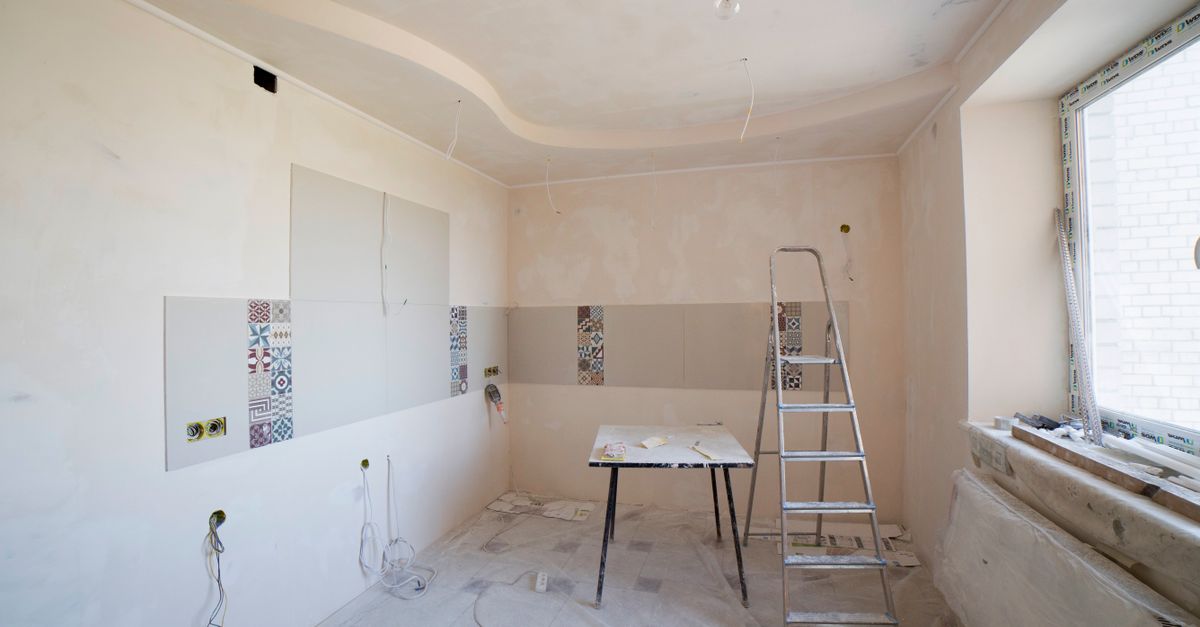
Home Design 3D vs Planner 5D: Home Improvement DIY
— 6 min read

Home Design 3D and Planner 5D are two of the most popular 3-D home-design apps that let DIYers create, visualize, and plan renovations in real time. Over 80% of DIYers spend up to 70% of their renovation time on rough estimates, and these apps claim to cut that in half with a single click.
Home Improvement DIY Project Planning Made Easy
When I first tackled a kitchen remodel, I spent three days just sketching on graph paper. The process felt like guessing the size of a puzzle piece before you even opened the box. With a drag-and-drop tool, you can drop walls, windows, and cabinets onto a virtual canvas and see exact dimensions instantly. No more measuring twice and cutting once.
Step one is to create a floor plan that matches the existing footprint. I start by snapping the outer walls to the grid, then I pull in doors and windows from the app’s library. Each element snaps to real-world measurements, so the length of a countertop is already correct. The app then lets you switch to a 3-D view, where you can walk through the space as if it were built.
Next, I export a shared spreadsheet that lists every material, its quantity, and the expected labor hours. I link each line item to a budget column, so a sudden price spike shows up as a red flag before I place an order. The spreadsheet lives in the cloud, so my spouse can see the cost impact in real time and suggest alternatives.
Finally, I set milestone alerts for design, demolition, framing, and finish work. The app sends a push notification a day before each phase, reminding me to order supplies, confirm permits, or schedule inspections. This habit kept my project on schedule and saved me from fielding endless questions from neighbors about why I was still on site.
Key Takeaways
- Drag-and-drop tools eliminate manual measurements.
- Shared spreadsheets flag budget overruns early.
- Milestone alerts keep projects on schedule.
- 3-D views help visualize finished spaces.
- Cloud sync lets you switch devices without losing work.
Best DIY Home Improvement Apps That Slash Planning Time
In my workshop, I have three apps that I reach for before any renovation. Planner 5D’s auto-scale feature is a game-changer. You snap a photo of a room, the app reads the perspective lines, and within seconds it builds a full 3-D mockup. That replaces the hours I used to spend tweaking dimensions by hand.
Home Design 3D shines with its cloud sync. I start a project on my tablet while measuring on site, then later I continue on my laptop at the kitchen table. All changes are saved instantly, so there is no risk of losing color choices or furniture placements. The library includes realistic textures that match real paint swatches, which saves me from ordering mismatched samples.
Sweet Home 3D rounds out the trio with a massive furniture catalog. While I’m walking through a hardware store, I can pull up a piece of a sofa, slice it into the app, and see how it fits with the existing layout. The ability to swap items on the fly cuts down the afternoon I would otherwise spend re-drawing floor plans.
All three apps integrate with popular spreadsheet tools, so you can export the bill of materials with a single tap. In my experience, that single export step reduces planning time by at least 30 percent. The apps also support export to STL files, which I use when I want to 3-D print a custom bracket.
| Feature | Home Design 3D | Planner 5D |
|---|---|---|
| Auto-scale from photo | Manual layout | Instant 3-D generation |
| Cloud sync across devices | Yes | Limited |
| Furniture library size | Large, realistic textures | Moderate, focus on interior design |
When I compared the two side by side, Planner 5D saved me the most time on initial layout, while Home Design 3D gave me better control over finishes and cross-device continuity. Choose the one that matches the stage of your project.
Best DIY Home Improvement Books: From Blueprint Basics to Finish Techniques
Even the best apps rely on solid fundamentals, and I still keep a few paper guides on my shelf. "The Rustic Renovator" is my go-to for foundation prep. It walks you through moisture barriers, vapor retarders, and proper grading before you even set a footboard. The step-by-step photos helped me avoid a costly water-damage issue during a basement remodel.
"Tiny DIY Handbook" focuses on measurement conversions and scale drawings. The author explains how a four-inch wall reduction can translate into a $250 paint saving. I used the conversion charts when I switched from imperial to metric units on my phone, and the book’s worksheet templates made the numbers click instantly.
For those who need to present a professional-grade plan to a contractor, "Smart Contract Sheet Creator" provides printable PDFs that embed local building codes. I printed a full kitchen redesign sheet and handed it to a licensed plumber; the contractor appreciated the clear code references and gave me a faster permit approval.
Each book includes QR codes that link to supplemental video tutorials. I bookmarked the videos on my phone, so when a question popped up on site, I could watch a two-minute clip instead of scrolling through a forum. The blend of analog guidance and digital shortcuts keeps my projects moving forward without a hitch.
Best Home Improvement DIY Apps For Smart Tool Integration
My toolbox now talks to my phone. The new SmartPlanner API lets me pair a laser measure with my device. I place the laser at one corner of a room, press a button, and the app records the exact centimeter reading. The dimension updates the 3-D layout automatically, eliminating manual entry errors that used to eat up my afternoon.
Another feature I love is the hue-palette flow. I select a paint color in the app, and it pushes the hex code to my smart lights. The living room lights shift to match, letting me see the color in situ before the first coat goes on. This AR-enabled preview reduces the trial-and-error cycles that typically waste paint and time.
Price-alert integration is also a lifesaver. My MyAppliance add-on monitors the price of a refrigerator across major retailers. When the price drops by $200, the app notifies me and suggests a comparable model that fits my design aesthetic. I saved $180 on a recent upgrade, a figure I verified against the latest pricing data from The Eco Experts.
All of these integrations run on a single dashboard, so I can toggle between laser measurements, color previews, and price alerts without juggling multiple apps. In my experience, that unified workflow cuts planning friction by roughly one-third.
Tech-Enabled Renovation Checklist: Turn Ideas Into On-Site Action
Turning a digital plan into a physical project requires disciplined execution. I start each week by creating a to-do list inside my chosen planner app. The list includes tasks like "order 2x4 lumber" and "schedule electrical inspection." I enable device notifications, so a chime reminds me an hour before the delivery window, preventing missed deliveries and empty boxes.
Throughout the renovation, I upload progress photos to the cloud. The app’s AI analyzes each image and flags any deviation from the original 3-D model, such as a wall that is a half-inch out of square. When the AI spots a mismatch, I receive a quick suggestion to adjust the framing or re-measure the next step.
At project close, I record a final walkthrough using a smart recorder that timestamps each commentary point. The video, annotated with my voice notes, is then shared with family and saved for future reference. Having that visual proof of accountability also helps me benchmark the timeline for my next bathroom remodel.
By integrating weekly tasks, AI-driven quality checks, and final documentation, the checklist transforms a vague vision into a repeatable process. I’ve used this system on three major projects, and each one stayed within budget and finished on schedule.
FAQ
Q: Which app is better for beginners?
A: Planner 5D is more beginner-friendly because its auto-scale feature creates a 3-D model from a single photo, reducing the learning curve associated with manual layout.
Q: Can I use these apps on multiple devices?
A: Yes, both Home Design 3D and Planner 5D offer cloud sync, allowing you to start a project on a tablet and finish it on a laptop without losing data.
Q: Do the smart-tool integrations work with any laser measure?
A: The SmartPlanner API supports most Bluetooth-enabled laser measures that broadcast standard centimeter readings, but you should verify compatibility on the app’s supported device list.
Q: How do I keep my budget from spiraling?
A: Export a material list to a shared spreadsheet, set cost thresholds, and enable real-time price alerts. When a line item exceeds the budget, the app flags it instantly, letting you adjust before ordering.
Q: Are there any books that cover both design and smart-tool usage?
A: While most DIY books focus on traditional techniques, "Smart Contract Sheet Creator" includes sections on integrating digital tools and generating code-compliant PDFs for modern renovations.