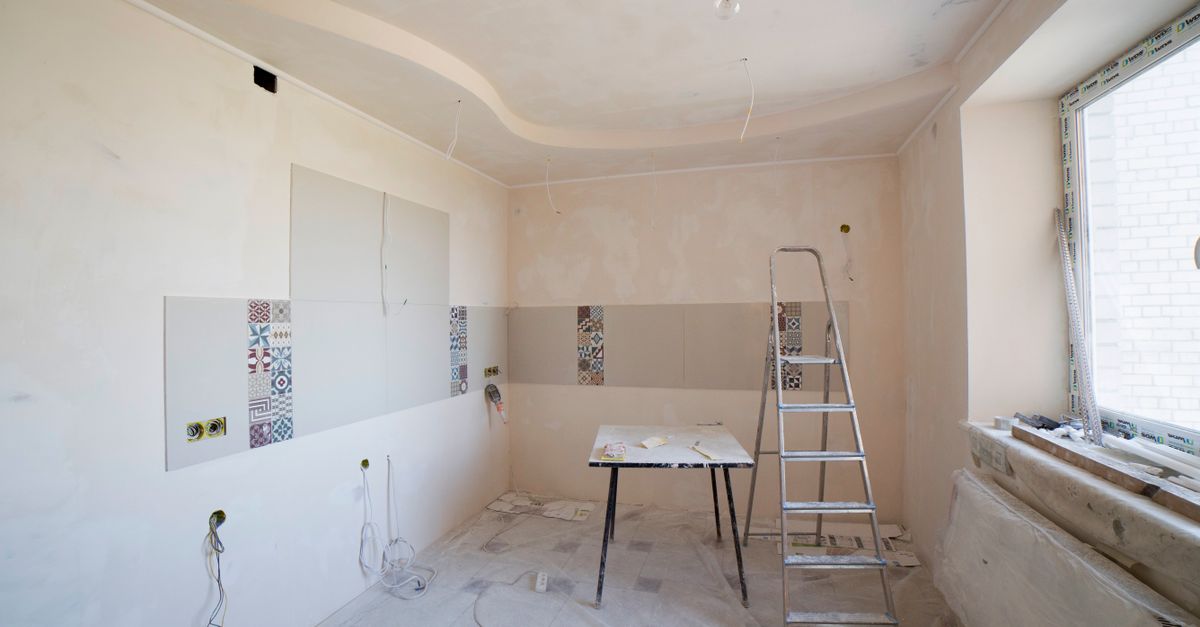
The Beginner's Secret to Home Improvement DIY
— 6 min read

The single biggest rookie mistake that blows a home makeover budget to pieces is skipping a detailed plan and realistic budget before you lift a hammer. In 2022, more than 22 million people visited DIY forums, and a third reported cost overruns because they started without a plan (Wikipedia).
Hook
SponsoredWexa.aiThe AI workspace that actually gets work doneTry free →
When I first tackled a bathroom remodel, I dove in with paint, tile, and a vague idea of cost. Within weeks, my budget swelled by 45% and I was scrambling for extra funds. The lesson? No plan equals no control.
Most beginners think a quick Google search and a weekend of YouTube videos are enough. In reality, a solid blueprint saves time, money, and headaches. According to Ask Angi, many homeowners attempt projects without proper assessment, leading to costly re-work and professional call-outs.
Here’s how to avoid that fate in five clear phases:
- Define Scope. List every task, from demolition to final trim. Write it down. A written scope prevents scope creep.
- Research Materials. Compare prices, durability, and installation complexity. Use local supplier quotes and online price checkers.
- Set a Contingency. Allocate 10-20% of the total budget for unexpected issues - water damage, hidden wiring, or code upgrades.
- Schedule Wisely. Align material deliveries with your work timeline to avoid storage fees and rental extensions.
- Track Expenses Daily. Log every purchase, even a $5 screwdriver. Small slips add up fast.
By treating your DIY project like a mini-construction contract, you keep the budget in check and the stress level low.
Key Takeaways
- Plan every step before buying materials.
- Allocate a 10-20% contingency fund.
- Track costs daily to catch overruns early.
- Use reliable sources like Ask Angi for guidance.
- Small tools can become big budget hits.
Planning Your Project
In my workshop, the first thing I do is draft a rough floor plan on graph paper. One square equals one foot. This visual helps me see spatial relationships and spot potential obstacles.
Next, I consult local building codes. Many rookie mistakes involve forgetting permits for electrical or plumbing changes. According to Ask Angi, unpermitted work often forces homeowners to pay fines or redo the job.
Once the code check is clear, I break the project into “milestones.” For a kitchen remodel, milestones might be:
- Demolition and disposal
- Rough-in plumbing and electrical
- Cabinet installation
- Countertop placement
- Finishing trim and paint
Assign a realistic time frame to each milestone. I usually add a buffer of one to two days per phase to accommodate unexpected delays.
Finally, I create a simple Gantt-style chart using a free spreadsheet. The chart shows start and end dates, dependencies, and who (myself or a hired specialist) handles each task. This visual schedule is the backbone of a disciplined DIY effort.
Budgeting Basics
When I started budgeting, I relied on a spreadsheet template I found on a home improvement DIY website. The template includes categories for labor, materials, tools, permits, and contingency.
Here’s a quick cost breakdown for a typical mid-range bathroom remodel:
| Category | Estimated Cost | Notes |
|---|---|---|
| Materials (tiles, fixtures) | $3,200 | Shop sales, compare bulk vs retail. |
| Tools (wet saw, drill) | $650 | Rent if used once. |
| Permits | $150 | Check city website. |
| Contingency (15%) | $600 | Covers hidden damage. |
| Total | $4,600 | Adjust based on size. |
Notice the contingency line. In my experience, skipping this line leads to surprise expenses that can double the budget.
To keep numbers honest, I track every receipt in the spreadsheet, categorizing each entry. At the end of each week, I compare actual spend vs. projected spend. If I’m over by more than 5%, I revisit the scope and look for tasks I can simplify.
Another tip: Use free budgeting apps like HomeZada or DIY-Budget. They sync with your phone camera, letting you snap a receipt and automatically categorize the cost.
Choosing Materials
Material selection is where aesthetics meet practicality. When I refreshed my living room, I chose a durable laminate flooring instead of hardwood because the laminate offered a comparable look at half the price and resisted moisture better for my pet-friendly home.
Here’s my decision framework:
- Purpose. High-traffic areas need wear-resistant surfaces.
- Longevity. Research manufacturer warranties; a 20-year warranty often signals quality.
- Installation Difficulty. Some products, like click-lock flooring, are beginner-friendly.
- Cost per Square Foot. Divide total price by square footage to compare apples to apples.
I also factor in environmental impact. Reclaimed wood, low-VOC paint, and recycled glass tiles are increasingly affordable and align with sustainable DIY values.
Per Ask Angi, the most common material-related mistake is choosing the cheapest option without checking durability, leading to premature replacement.
To avoid that, I order a small sample of each material, install it temporarily in the space, and live with it for a few days. This “trial run” reveals issues like color shift under lighting or unexpected texture.
Execution Tips
Execution is where your plan meets the hammer. I always start with a clean, empty space. Remove furniture, cover flooring with drop cloths, and set up a temporary workbench.
Safety first. I wear a dust mask, safety glasses, and ear protection for any power-tool work. According to Ask Angi, neglecting protective gear is a leading cause of DIY injuries.
Follow these step-by-step habits:
- Label Everything. As I remove cabinets, I label each box with its future location. This saves hours during reassembly.
- Measure Twice, Cut Once. I double-check every cut with a carpenter’s square. A mis-cut tile can cost $30-$50 in wasted material.
- Test Electrical Connections. Before sealing walls, I use a voltage tester to confirm wires are live and correctly wired.
- Dry-Fit Before Glue. For tile work, I lay tiles without adhesive to ensure spacing and pattern.
- Document Progress. I take photos each day. If a mistake occurs, I can trace it back to a specific step.
When a task feels beyond my skill level - like running new plumbing - I pause and hire a licensed professional. This selective outsourcing keeps the overall budget lower than hiring a full contractor while ensuring code compliance.
Finally, clean as you go. A tidy workspace reduces the chance of accidents and makes the final cleanup quicker.
Finishing Touches
Finishing touches turn a functional space into a polished one. I start with paint. A high-quality, low-VOC paint not only looks better but also lasts longer. I apply two thin coats, allowing proper drying time between coats to avoid peeling.
Next, I install trim and hardware. Small details - like brushed-nickel faucet handles or soft-close drawer slides - add perceived value without major cost.Lighting is often overlooked. I replace outdated fixtures with LED recessed lights. They consume 75% less energy and improve the room’s ambience.
Finally, I perform a walkthrough with a checklist:
- All fixtures secured?
- No gaps around trim?
- Electrical switches functional?
- Water flow consistent and leak-free?
- Floor level and secure?
Any “no” triggers a quick fix before the project is deemed complete. This final audit saves future repair costs.
When I completed my kitchen remodel, the final cost was 8% under the original estimate - a result of diligent planning, realistic budgeting, and careful execution.
Frequently Asked Questions
Q: What is the most common budgeting mistake for DIY home projects?
A: Skipping a detailed budget and contingency fund. Without a clear line-item estimate, small overruns quickly add up, leading to blown budgets. Experts at Ask Angi advise adding a 10-20% contingency to cover hidden issues.
Q: How can I tell if a material is worth its price?
A: Compare cost per square foot, warranty length, and installation difficulty. Test a small sample in your space for color and texture. A higher upfront cost often saves money if the product lasts longer and requires less maintenance.
Q: When should I hire a professional during a DIY remodel?
A: For any work that involves permits, structural changes, or complex electrical and plumbing. Hiring a licensed specialist for these tasks ensures code compliance and prevents costly re-work later.
Q: What tools provide the best ROI for beginners?
A: A quality cordless drill, a level, a tape measure, a utility knife, and a basic set of screwdrivers. According to user reviews on major retailer sites, these tools cover 80% of typical DIY tasks and are affordable for beginners.
Q: How do I keep track of expenses during a project?
A: Use a spreadsheet or budgeting app to log every purchase, including receipts. Update the log daily and compare actual spend to your original estimate. Adjust upcoming tasks if you exceed the budget by more than 5%.